Citrus Grafting: 3 Simple Techniques for Guaranteed Success
To successfully graft your citrus and ensure better resilience, fruit production true to the variety, and adaptation to soil and climate, focus on three main techniques: chip budding, whip and tongue grafting, and cleft grafting. Essential materials include clean pruners, a utility knife (for precise cuts), elastic bands (Flexiband), and grafting tape (Buddy Tape or Parafilm M).
⚠️ Warning: Grafting citrus from seeds will very likely not produce the commercially desired fruit variety, as citrus hybridizes very easily by seed. Grafting guarantees the exact reproduction of the mother plant's characteristics.
Key success factors:
- Choose the right rootstock for your climate and soil (e.g., Poncirus trifoliata for cold and heavy soils, FA5 for calcareous soils).
- Use healthy, lignified scions from a productive tree.
- Make clean cuts and ensure precise alignment of cambial layers.
- Protect the graft union with elastic bands and grafting tape.
- Maintain good humidity and avoid extreme temperatures during healing.
Why is Grafting Essential for Citrus?
Grafting is a fundamental technique for citrus, unlike many other plants. If you sow a parsley seed, you will get parsley identical to the mother plant. However, citrus hybridizes very easily by seed. If you plant an orange seed, you might get a lemon tree! This is because citrus seeds can be polyembryonic, producing multiple embryos, which leads to varied results.
Olivier Biggio, author of the reference work Cold-Hardy Citrus: To Be Grown in the Ground (ULMER Editions), highlights three crucial benefits of grafting for citrus:
-
Preserve the variety: Grafting ensures that the new plant is genetically identical to the parent tree, guaranteeing the desired quality and characteristics of the fruits. Methods like air layering or cuttings also achieve this, but grafting offers additional benefits.
-
Adapt to climate and soil: Grafting allows you to select a rootstock specifically adapted to your local soil type and climatic conditions. For example, in areas with heavy, clayey, or wet soils, Poncirus trifoliata is an excellent choice. This adaptability is vital for the tree's survival and vigor.
-
Improve fruit flavor: The rootstock significantly influences the fruit's taste profile. Poncirus and its hybrids (FA5, 4475) add acidity to the fruit, balancing the sugar content. This balance is essential for a rich and complex flavor, avoiding the blandness often found in supermarket citrus.
Grafting also plays a role in disease resistance and can even influence the size of the tree and its precocity, allowing it to produce fruit earlier.
Choosing the Right Citrus Rootstock for Your Goals
Choosing the appropriate rootstock is essential to ensure the prosperity of your citrus tree. Different rootstocks offer varying levels of cold hardiness, adaptation to soil types, and influence on fruit quality. Our experts highlight three essential rootstocks for diverse conditions:
Poncirus trifoliata
This is the hardiest and most cold-resistant rootstock, identifiable by its trifoliate leaves (three leaflets per leaf).
- Cold hardiness: Tolerates temperatures down to -18 °C (0 °F), making it suitable for many temperate climates.
- Soil preference: Very adaptable, but particularly well-suited to heavy, clayey, or wet soils.
- Growth: Deciduous, it loses its leaves in winter. Tends to have slower growth if roots cannot spread easily.
- Flavor impact: Imparts a pleasant acidity to the fruit.
- Dwarfing effect: The 'Flying Dragon' variant is a dwarfing rootstock, ideal for small spaces, though it grows even slower.
Citrumelo 4475
A vigorous hybrid of Poncirus and pomelo, combining cold hardiness with strong growth.
- Cold hardiness: Generally withstands temperatures down to -15 °C (5 °F).
- Vigor: Known for its extremely vigorous growth, thanks to its pomelo ancestry.
- Soil preference: Prefers acidic to neutral soils; does not tolerate calcareous soils or hard water.
- Leaf structure: Also has trifoliate leaves, but larger than those of Poncirus.
- Maturity: A 1.5-year-old plant can already be very substantial.
FA5 (Forner Alcaide 5)
A Spanish rootstock, a hybrid of Poncirus and 'Cleopatra' mandarin, gaining popularity for its good balance.
- Cold hardiness: Similar to Citrumelo 4475, generally -15 °C (5 °F).
- Vigor: Moderate vigor, comparable to or slightly more vigorous than Poncirus.
- Soil preference: Tolerates slightly alkaline (calcareous) soils, unlike Citrumelo 4475. Cleopatra mandarin is very tolerant of lime.
- Reproduction: Generally propagated by cloning, as it is not true-to-type from seed (seeds may be absent or fruit production irregular).
- Early fruiting: Surprisingly, even young FA5 plants can flower early (for example, a 2-year-old cloned plant can flower).
For heavy soils, all three rootstocks can be suitable if the planting hole is well-prepared to ensure good drainage. If you have acidic soil, Citrumelo 4475 is an excellent choice. For slightly alkaline soil, Poncirus or FA5 are preferable.
Step 1Essential Equipment for Successful Citrus Grafting
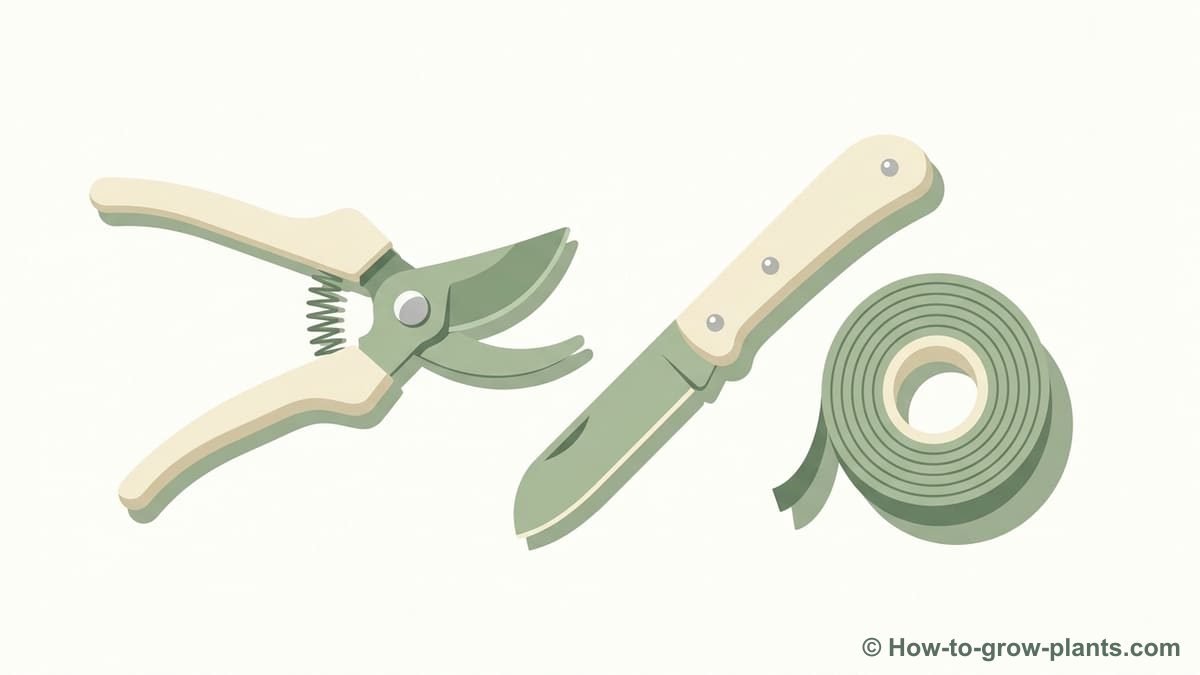
You don't need a lot of specialized equipment to graft citrus. The hosts of L'ArchiPelle show that simple, accessible tools are often sufficient:
| Tool | Description and Use | Tips for Beginners |
|---|---|---|
| Pruners | For cutting larger branches and preparing the rootstock. Make sure they are clean and sharp. | Always place the blade side against the trunk for the cleanest cut. |
| Utility Knife | Replaces a traditional grafting knife for precise cuts on scions and rootstocks. | With a new, sharp blade, you can make professional-quality cuts. No need for a specialized grafting knife. |
| Elastic Bands (Flexiband) | Used to firmly hold the grafted parts together. | Any strong elastic band works, but make sure it's durable enough not to break under tension. Packs of 1000 can be found for around €34. |
| Grafting Tape (Buddy Tape / Parafilm M) | A specialized stretchable film that protects the graft from drying out and allows buds to push through. | DO NOT substitute with plastic wrap; it lacks the necessary elasticity and breathability. Rolls cost around €30 but last for thousands of grafts. |
| Cut-Resistant Gloves (Kevlar Finger Protectors) | Small Kevlar finger protectors to shield your index finger from accidental cuts. | Highly recommended for beginners. A pack of 40 costs about €6, offering excellent safety without significant cost. |
| Disinfectant (Anios, Alcohol 90%, or Flame) | Essential for sterilizing tools between each graft and variety to prevent disease transmission (e.g., CTV virus). | Avoid white vinegar; it's not an effective disinfectant for plant pathogens. Hand sanitizer or a flame for 10 seconds also work. Disinfecting between each variety is essential. |
Scion supply: Finding scions can be challenging. Exchanges on social media or with neighbors are common. However, always ensure that scions come from a certified source to prevent the spread of Citrus Tristeza Virus (CTV). Nurseries like Kissac, Veyssière, Jérôme d'Agrumes de Provence, or Laurent Greffeur d'Agrumes provide tested, disease-free plants, often indicated by a blue plant passport label. For example, Spanish nurseries are generally reliable because they source scions from certified pathogen-free facilities like Ivia. Be cautious with scions from large collections without clear origin.
Step 2Preparing Scions and Rootstocks for Grafting
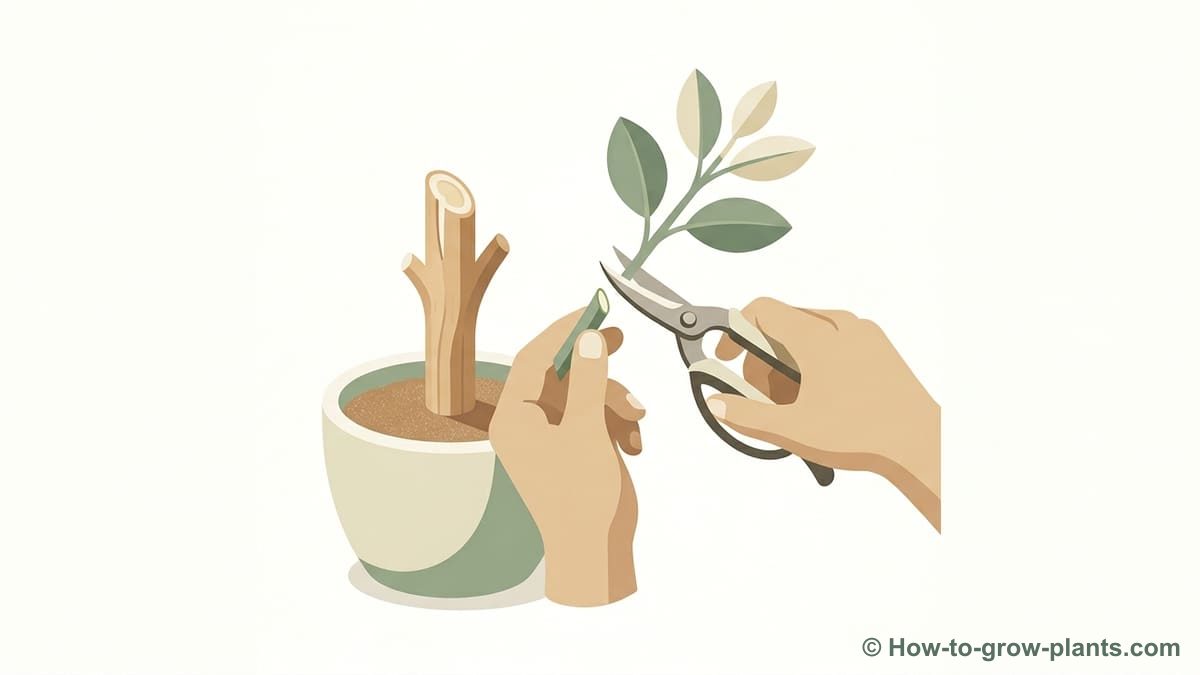
Proper preparation of the scion (the desired variety) and the rootstock (the base plant) is vital for a successful graft union. Here's what you need to know:
Scion Selection and Preparation
- Source: Always choose scions from a tree that has already produced fruit. This ensures earlier fruit production on your grafted tree (potentially within the first year), rather than waiting 8 to 12 years if the scion comes from a young non-fruiting tree.
- Maturity: Select the last lignified shoot. The wood should be firm, neither too soft nor too old and hard. Avoid new, soft, non-lignified branches. Look for branches with clearly defined, slightly green buds (eyes), just above where a leaf was attached.
- Timing: You can prepare scions the day before grafting and store them in the shade, or even lightly rehydrate dry scions by placing their cut ends in a glass of water.
- Leaves: Remove all leaves from the scion, leaving only the buds.
Rootstock Preparation
- Sap flow: Graft when sap is flowing vigorously in the rootstock. This allows the bark to peel easily, indicating active growth and good preparation for grafting.
- Height: Graft at a height of at least 25 cm (10 inches) from ground level. This prevents soil pathogens like Phytophthora (a fungal disease) from easily infecting the graft union, especially in humid climates. Spanish grafters often graft lower due to drier winters, but higher grafts are safer in other regions. You can graft even higher, up to 1 meter (3 feet), if desired.
- Cleanliness: Before grafting, remove all leaves or thorns from the section of the rootstock where you plan to graft.
Step 3Simple and Effective Citrus Grafting Techniques
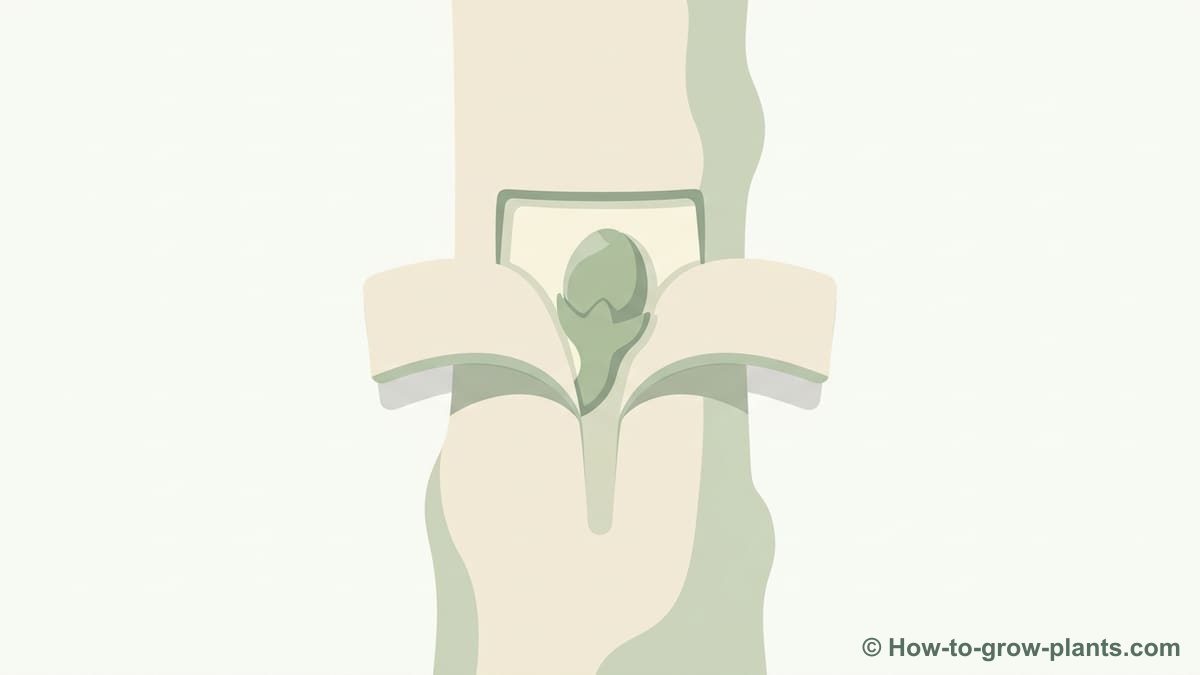
Let's discover the practical steps of three accessible grafting methods, demonstrated by the experts from L'ArchiPelle. Remember to disinfect all your tools throughout the process!
Chip Budding
This economical and easy technique uses a single bud (eye) from the scion, making it ideal when grafting wood is scarce.
- Prepare the rootstock: Choose a flat section. Make a horizontal cut into the wood, a few millimeters deep. Then, make a downward cut about 1.5 cm (0.6 inches) above the first cut, joining it. Remove the piece of bark and wood, aiming for a clean white surface (exposed cambium).
- Prepare the scion bud: Remove the leaf petiole from the selected bud. Make a horizontal cut below the bud, then a downward cut over it, carefully removing the bud with a small piece of wood and bark, the size of the rootstock notch.
- Insert the bud: Place the scion bud into the rootstock notch, ensuring that the cambial layers align on at least one side. It should fit perfectly.
- Secure the graft: Use grafting tape (Parafilm M/Buddy Tape) to firmly wrap the graft, completely covering the bud. The tape is stretchable and breathable, allowing the bud to break through later.
- Aftercare: Remove elastic bands (if used instead of tape) in September. Grafting tape will degrade naturally. Remove all suckers (new shoots) that emerge from the rootstock below the graft to redirect energy to the scion.
Whip and Tongue Grafting
This technique is often considered "perfect" because it creates a seamless union that becomes difficult to distinguish over time.
- Prepare the rootstock: Cut off all leaves and thorns below the grafting point. Make a long, clean, angled cut (a "bevel") on the rootstock. About one-third of the way down this cut, make a small downward incision to create a "tongue."
- Prepare the scion: Select a scion with 2-3 buds. Make an identical long, angled cut and a corresponding "tongue" incision on the scion.
- Join the parts: Interlock the tongues of the rootstock and scion. Push them firmly together until they fit perfectly. The cambial layers must align on at least one side, especially if diameters are different.
- Secure the graft: First, wrap firmly with an elastic band (Flexiband) to ensure strong compression. Then, apply grafting tape (Parafilm M/Buddy Tape) over the entire graft to protect it from dehydration.
- Aftercare: As with chip budding, remove rootstock suckers. This graft creates a very strong and aesthetic union that becomes almost invisible as the tree grows.
Cleft Grafting
Ideal when the rootstock is significantly thicker than the scion, ensuring a direct connection of cambial layers.
- Prepare the rootstock: Make a downward incision through the bark and into the wood. The length of this incision should match the bevel of your scion. Gently open the bark on each side of the cut with the utility knife. Unlike the previous method, you don't necessarily open the cambium fully on both sides.
- Prepare the scion: Create a long, smooth bevel cut on the scion. The length of this cut should be approximately the same as the incision made on the rootstock.
- Insert the scion: Slide the beveled scion into the open incision on the rootstock, ensuring that at least one side of the scion's cambium aligns perfectly with the rootstock's cambial layer.
- Secure the graft: Use an elastic band to firmly hold the scion in place, then cover the entire graft with grafting tape to protect it. It is crucial to press firmly to expel any trapped air bubbles at the top of the graft union.
- Aftercare: Remove rootstock suckers. This method is appreciated for its simplicity and effectiveness, especially when diameters do not match.
For more advanced techniques, you can explore methods like wedge grafting or bark grafting, although these may yield less aesthetic results (e.g., visible swelling) than the techniques described here, according to Olivier Biggio.
Step 4Post-Grafting Care: Ensuring the Prosperity of Your Graft
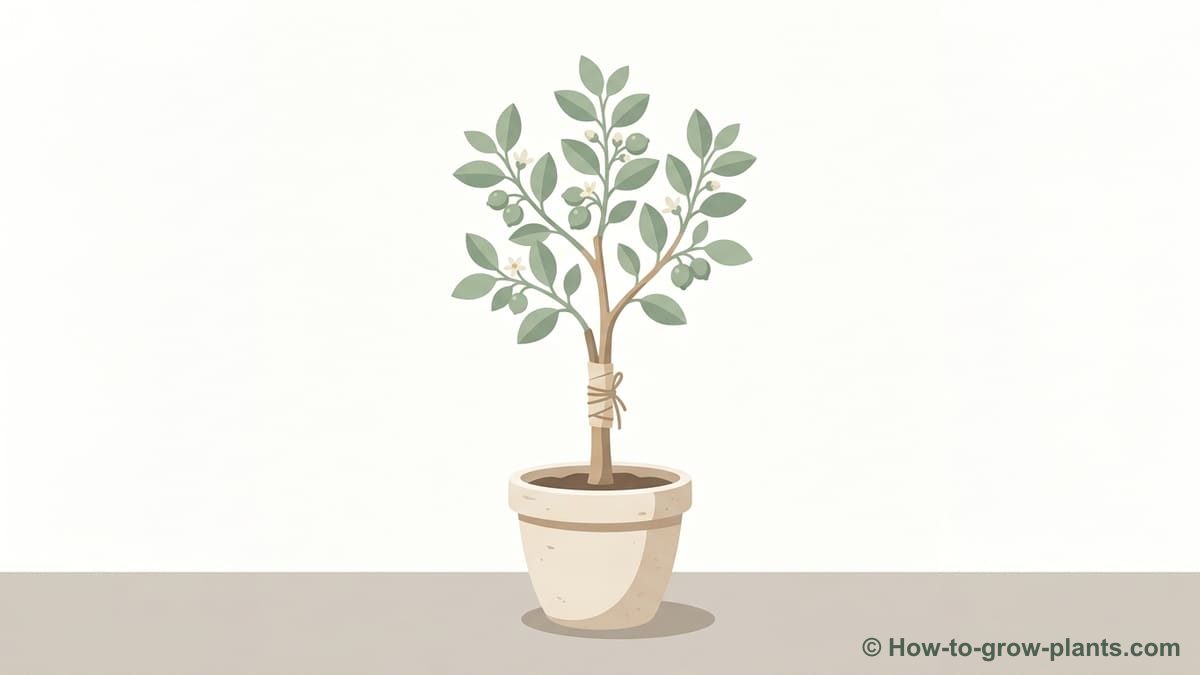
Once your graft is complete, proper aftercare is essential for a successful union and growth. Here's how to care for your newly grafted citrus:
Initial Healing Period
- Sap flow: It takes about a week for sap to begin flowing from the rootstock to the scion.
- Bud break: Expect the scion bud to swell and break through the grafting tape within 2 to 6 weeks, depending on temperature. In warmer conditions, this can happen in just two weeks.
- Rootstock suckers: The rootstock will try to develop its own branches, as it is more vigorous than the scion. Regularly remove all shoots that emerge below the graft union. Check every 2-3 days and simply snap off these unwanted shoots with your fingers to ensure all energy is directed to the scion. Even old trees can produce rootstock suckers, so continue this practice.
Supporting New Growth
- Staking: For chip budding, it is crucial to install a stake next to the graft union. The new shoot will grow at an angle, and the stake will help it grow straight up. Once the shoot is slightly rigid, gently tie it to the stake. This is generally not necessary for other grafting methods.
- Monitoring elastic bands: Grafting tape (Parafilm M/Buddy Tape) will degrade naturally in the sun (it is thermosensitive). However, if you have used elastic bands, they might not break as easily. In September, remove all elastic bands to prevent girdling (strangulation of the branch as it grows). Always leave the grafting tape.
Recognizing a Successful Graft
- New growth: The clearest sign of success is when the scion bud germinates and grows.
- Scion vs. rootstock leaves: To easily differentiate new growth, remember that most common rootstocks (Poncirus, Citrumelo 4475, FA5) have trifoliate leaves (three leaflets). Your desired scion variety will typically have monofoliate leaves (simple leaves). Any trifoliate growth below the graft comes from the rootstock and must be removed.
Step 5Best Time for Citrus Grafting and Environmental Conditions
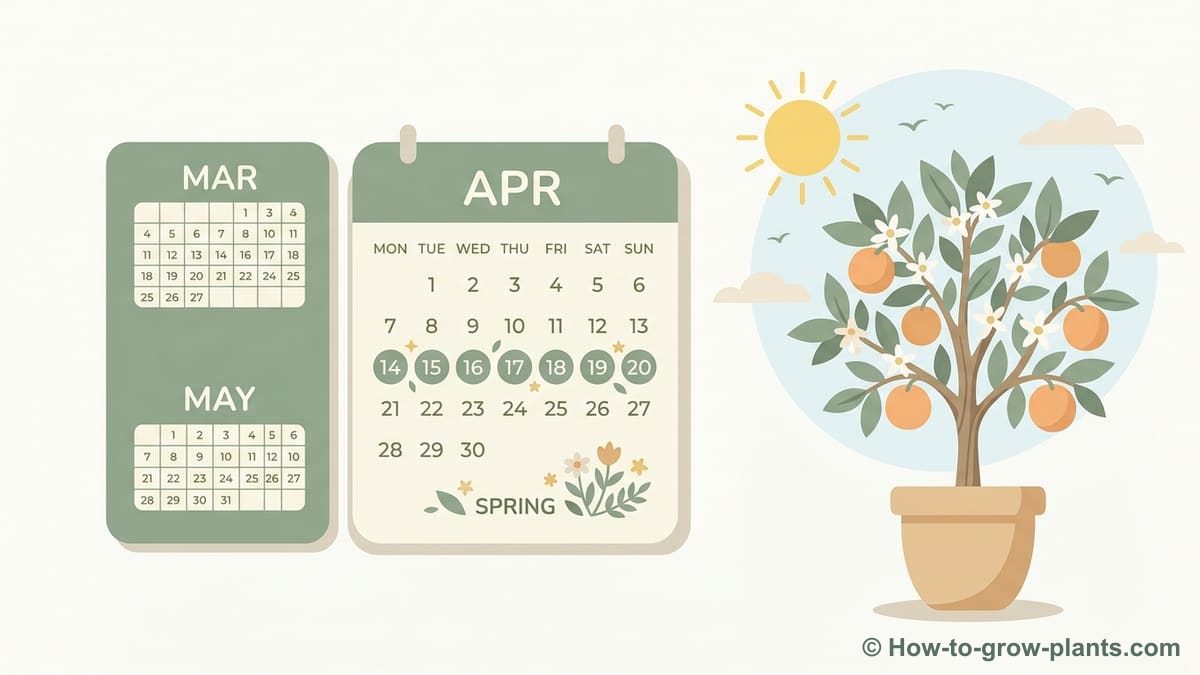
The success rate of citrus grafting heavily depends on timing and environmental conditions. Loïc Dubois emphasizes that maintaining adequate humidity and avoiding extreme temperatures are essential.
- When to graft: The best time to graft citrus is during periods of strong sap flow, which generally occurs from mid-February to June in spring, and again in September in early autumn. When the rootstock begins to develop new leaves, it's a good indicator that sap is flowing. Avoid the hottest periods of summer and late autumn/winter.
- Temperature: Grafting should be performed at temperatures that avoid both frost and extreme heat. While citrus can tolerate heat once established, a newly grafted tree can suffer at 40 °C (104 °F) in direct sunlight. If mornings are still cool (e.g., early spring), consider bringing your potted grafts indoors or into a greenhouse until the buds have germinated.
- Humidity: Maintaining high humidity around the graft union is crucial for healing. Grafting tape helps seal in moisture, but keeping the potted plant in a sheltered, slightly humid environment can further improve success.
- Light: While grafted plants need light, avoid direct, intense sunlight immediately after grafting. A bright, indirect light situation is ideal until the scion begins to grow vigorously.
With good rootstocks, healthy scions, and optimal climatic conditions, the success rate of grafts can approach 100%. Don't be discouraged if your first attempts aren't perfect; practice leads to perfection, and the joy of a successful graft is incredibly rewarding.
Common Mistakes to Avoid When Grafting Citrus
To maximize your chances of success, it's crucial to know and avoid common mistakes. Olivier Biggio and Loïc Dubois warn against several pitfalls:
- Using plastic wrap instead of specialized grafting tape: Plastic wrap is neither stretchable nor breathable like Parafilm M or Buddy Tape. It would suffocate the bud and prevent the gas exchange necessary for healing. Specialized grafting tape allows the bud to break through naturally and creates an ideal microclimate.
- Neglecting tool disinfection: Viral diseases like CTV (Citrus Tristeza Virus) can spread through unsterilized tools. Systematically disinfect your pruners and utility knife with 90% alcohol, Anios, or a flame, especially between each plant and variety.
- Grafting on a rootstock without sap flow: The graft will not take if the rootstock's cambium is not active. Sap allows the fusion between the scion and rootstock. The period from mid-February to June and September is crucial for this.
- Failing to remove rootstock suckers: The rootstock is often more vigorous than the scion. If its own shoots (suckers) are left, they will take over, exhausting the scion and compromising the fruiting of the desired variety. Monitor and remove them regularly.
- Improperly aligning the cambiums: This is the most critical error. For the graft to take, the cambial layers of the scion and rootstock must be in direct contact on at least one side. Clean cuts and precise insertion are therefore paramount.
- Exposing the graft to extreme conditions: A freshly made graft is vulnerable. Avoid direct full sun and extreme temperatures (frost or heatwave). Light shade and protection from wind and drying out are essential during the first few weeks.
- Using scions from young, non-fruiting plants: A scion taken from a young plant that has never fruited will delay the fruiting of the grafted tree by 8 to 12 years. Always prefer scions from mature, productive trees for faster fruiting.
By avoiding these mistakes, you will significantly increase the success rate of your grafts and enjoy your citrus fruits sooner.
Ready to Grow Your Own Citrus?
Explore our selection of quality rootstocks, scions, and essential grafting tools to start your citrus adventure today. Transform your garden into a citrus paradise!
Frequently asked questions
What is the best time of year to graft citrus?
The ideal periods for citrus grafting are during strong sap flow: in spring, generally from mid-February to June, and again in early autumn, around September. This ensures the rootstock is actively growing, facilitating the graft's take.
Can I use any type of citrus as a rootstock?
No, choosing the right rootstock is crucial. Poncirus trifoliata is excellent for cold hardiness and heavy soils, while FA5 (Forner Alcaide 5) is better suited for slightly alkaline soils. Citrumelo 4475 offers vigor but dislikes calcareous soils. The choice of rootstock influences cold hardiness, soil adaptation, and even fruit flavor.
What tools are needed for citrus grafting?
You need minimal tools: sharp pruners, a utility knife for precise cuts, elastic bands (Flexiband) to secure the graft, and specialized grafting tape (Parafilm M or Buddy Tape) to protect it from drying out. Don't forget disinfectant (alcohol, Anios) for your tools and a Kevlar finger protector for safety.
How long does it take for a citrus graft to show new growth?
After grafting, it generally takes about a week for sap to flow into the scion. New buds should start to swell and break through the grafting tape within 2 to 6 weeks, depending on ambient temperatures. Warmer conditions can accelerate this process.
Why can't I just plant a citrus seed to grow a new tree?
Citrus hybridize very easily by seed. Planting a seed will very likely produce a plant that is not true-to-type to the parent, meaning the fruit might be different from what you expect, or the plant might not be as vigorous or productive. Grafting ensures genetic fidelity to the parent tree.
How do I recognize a successful citrus graft?
The most obvious sign of a successful graft is the breaking and growth of the scion bud. You can also identify new growth by observing the leaves: most common rootstocks have trifoliate leaves (three leaflets), while the grafted variety will have monofoliate (simple) leaves. Any trifoliate growth below the graft must be removed.
What are common mistakes to avoid when grafting citrus?
Avoid using plastic wrap (non-breathable), neglecting tool disinfection, grafting without active rootstock sap flow, failing to remove rootstock suckers, misaligning cambiums, exposing the graft to extreme conditions (frost/heatwave), or using scions from young, non-fruiting plants.