How to Sow Paulownia Seeds: Your Guide to Rapid Growth
To successfully sow Paulownia seeds and ensure vigorous germination, follow these key steps:
- Choose the right variety: Consider hybrids like Paulownia Pao Tong Z07 for rapid growth and better hardiness.
- Prepare the substrate: Use a well-draining, nutrient-poor universal potting mix.
- Sow on the surface: Paulownia seeds need light to germinate; do not cover them with soil.
- Maintain high humidity and temperature: Keep seeds between 25 and 30 °C (77-86 °F) under a transparent lid to retain moisture.
- Provide abundant light: Place the seedling tray in a very bright spot or use a grow light.
Germination is generally fast (about 1 to 2 weeks) with a high success rate if conditions are met. These initial steps are crucial for obtaining vigorous young plants, which can then be coppiced for impressive, large leaves.
Important Warning: Some Paulownia species, especially in warmer climates, can be highly invasive. Always check local legislation and environmental guidelines before planting Paulownia in your garden or on your property to ensure you are not introducing a harmful species to your local ecosystem.
Step 1Understanding Paulownia Characteristics for Successful Sowing
Paulownia trees are recognized as among the fastest-growing trees in the world. This rapid growth makes them popular for commercial timber and biomass production, as well as for ornamental purposes thanks to their large, tropical-looking leaves and beautiful purple flowers. In favorable climates like France or Spain, some varieties can grow 4 meters in the first year and reach 14 meters in 3-4 years. When coppiced annually, they can produce leaves the size of a bin lid and stems over 4 meters in a single summer, creating a lush, jungle-like effect in your garden.
Choosing the Right Paulownia Variety
There are several types of Paulownia, and choosing the right one can significantly influence your success, especially if you are in a cooler climate. Paulownia fortunei is a common and hardier species, often observed in regions like the UK. However, for even more vigorous growth, consider newer hybrids. The video specifically mentions the Paulownia Pao Tong Z07 hybrid, a variety known for its exceptionally fast growth and impressive robustness, capable of withstanding winter temperatures down to -33 °C. This makes it particularly suitable for regions with cooler summers where slower growth might otherwise pose a problem.
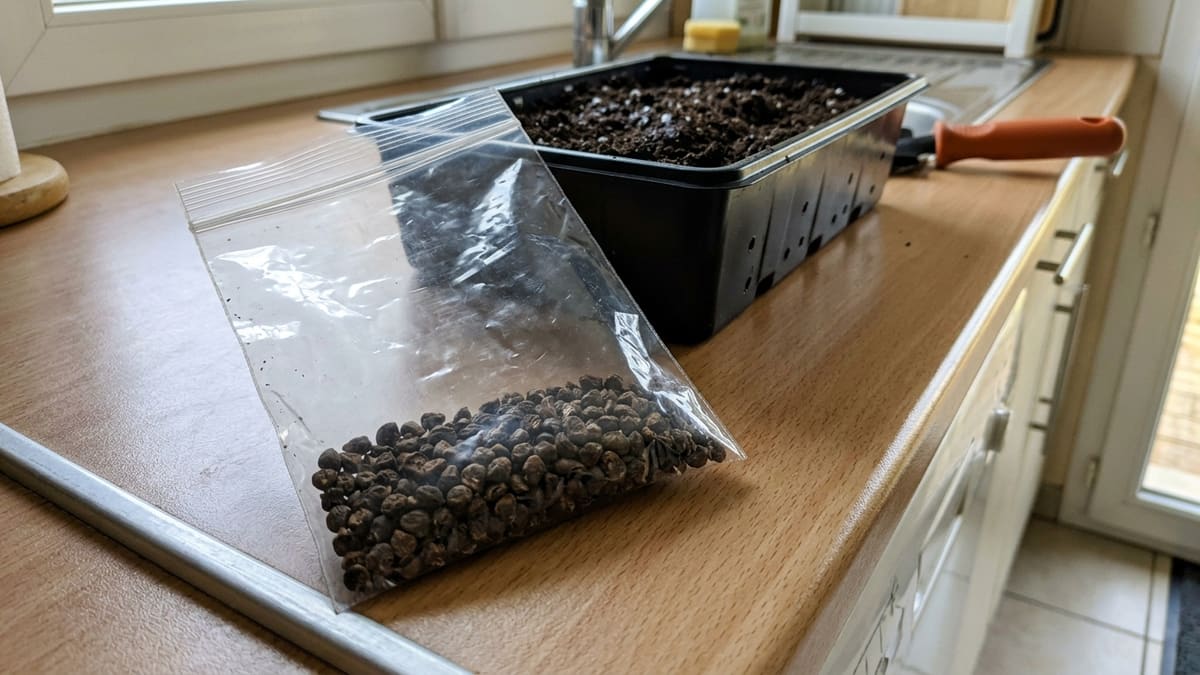
Step 2Preparing Your Sowing Station: Substrate, Light, and Essential Humidity
Paulownia seeds are incredibly small and delicate, resembling tiny flakes with 'wings' designed for wind dispersal. They therefore have very limited energy reserves, making proper sowing conditions crucial for successful germination.
Choosing the right substrate
Opt for a universal potting mix that is not too rich in nutrients to avoid burning the delicate roots of young seedlings.
- Ensure the potting mix is well-draining.
- A slightly lower nutrient content is preferable for initial germination.
Preparing the sowing container
Use a transparent, shallow container with a lid or plastic wrap to create a mini-greenhouse effect, maintaining crucial humidity and allowing light penetration.
- Clean the container thoroughly.
- Fill it with the chosen potting mix, pressing the surface lightly.
Step 3Sowing Paulownia Seeds: A Precise Method for High Germination Rates
Unlike many other seeds, Paulownia seeds require light to germinate and should not be buried. Mimic their natural tropical monsoon climate where seeds land on the soil surface and remain constantly moist.
Surface sowing
Gently disperse the Paulownia seeds directly onto the surface of the moist potting mix in your prepared container.
- Do not cover the seeds with soil, as they need light to germinate.
- Aim for a relatively even distribution, but don't worry about perfect spacing initially.
Maintain high humidity
Immediately after sowing, cover the container with its lid or plastic wrap to create a humid environment, essential for preventing the tiny seeds from drying out.
- Ensure a tight seal to trap moisture.
- Mist the surface regularly if you notice any drying.
Provide optimal temperature and light
Place your covered container in a bright location with consistent temperatures between 25 and 30 °C (77-86 °F).
- Full daylight is ideal to promote germination.
- If natural light is insufficient, use a grow light to provide high light intensity for about 8 hours a day.
- Avoid placing on a cold windowsill; warmth is crucial.
Step 4Care After Germination: Nurturing Your Young Paulownia Plants
Paulownia seeds are known for their rapid germination, often in 7 days under ideal conditions, with most viable seeds germinating within two weeks. Once they emerge, continue to provide the best environment for their exponential growth.
Monitoring and Initial Growth
After germination, you will see very young seedlings with cotyledons. These will quickly develop true leaves. Paulownia seedlings show significant growth in a short time, often doubling or tripling in size within a month. Continue to maintain warm temperatures and high humidity, ensuring the potting mix remains consistently moist but not waterlogged.
When to Transplant Paulownia Seedlings
Allow your Paulownia seedlings to grow in their initial tray for a few weeks to develop a strong root system. Once they have developed a few pairs of true leaves and are large enough to handle, you can gently prick them out and transplant them into individual pots. This usually occurs when they reach approximately 15 cm in height.
Establishing a strong root system
Allow your Paulownia plants to grow undisturbed for at least one to two years to establish a robust root system before any major pruning or coppicing.
- For the first year, expect growth of about 1.5 to 2 meters in a favorable climate.
- In the second year, they might reach 3-4 meters in height.
Coppicing for large leaves
Once the root system is well-established (after 2-3 years), you can begin annual coppicing to encourage massive leaves and vigorous new growth.
- Cut the plant back to ground level in late summer or late winter.
- This forces the plant to redirect energy into leaf and stem production rather than flowering.
- Expect new shoots to reach 2-4 meters in a single growing season.
Common Pitfalls and Solutions When Growing Paulownia from Seeds
Even with their rapid growth, Paulownia can face challenges, especially in non-ideal climates or with improper care. Being aware of these common issues can help you avoid them.
Slow Growth in Suboptimal Climates
As mentioned in the video, Paulownia grown in cooler climates like northern Scotland, even using vigorous hybrids, may exhibit slower growth rates than in warmer regions. To address this, provide the best possible growing conditions:
- Sunny location: Ensure your Paulownia receives abundant sunlight.
- Rich soil: Plant in rich, well-draining soil to support its rapid development. You can amend your soil with organic matter to improve its quality.
- Protection: In very cold or exposed areas, consider winter protection for young plants until they are established.
Invasive Potential
Paulownia species can be highly invasive in some warm climates where they can naturalize and spread rapidly by seed. The video advises checking local regulations because if Paulownia readily self-seeds and produces seeds in your area, it could become a nuisance. For personal ornamental use, especially if you plan to coppice annually, the risk of seed dispersal is minimal since coppicing prevents flowering and seed production. Always prioritize environmental responsibility and consult local agricultural or forestry organizations like the Food and Agriculture Organization of the United Nations (FAO) for species-specific information in your region.
Step 5Maximizing Your Paulownia Growth: Expert Tips for Vigorous Plants
Achieving impressive growth with Paulownia requires constant attention to its specific needs. Here are some advanced tips to ensure your plants thrive:
The Importance of a Strong Root System
Before beginning coppicing for those giant leaves, it is essential to allow the tree to establish a robust root system. This foundation ensures the plant has sufficient energy reserves to regenerate vigorously after being cut. The video emphasizes letting the plant grow for a few years (e.g., 2-3 years) before starting annual coppicing. A well-developed root system is the engine for the subsequent rapid growth phase.
Ideal Growing Conditions
For Paulownia to truly thrive, replicate its preferred environment:
- Full sun: Paulownia thrives in full sun. The more light it receives, the faster and larger its leaves will grow.
- Rich, well-draining soil: Although initial sowing prefers nutrient-poor potting mix, established plants need rich, fertile soil. Ensure good drainage to prevent root rot, to which Paulownia is susceptible in waterlogged soil conditions.
- Consistent moisture: Keep the soil consistently moist, especially during active growth periods. However, avoid overwatering.
🏆 Expert Recommendation for Paulownia Seeds
By following these detailed instructions and leveraging the unique characteristics of Paulownia, you'll be well on your way to growing magnificent trees from seeds. Remember the key: patience for root establishment, then consistent care for explosive growth! For more tips on seed germination techniques, explore our articles on how to germinate Canna seeds or how to germinate Stone Pine seeds.
Ready to start your Paulownia adventure? Find the right seeds and tools to get started.
Frequently asked questions
What specific conditions (light, humidity, temperature) are necessary for Paulownia seed germination?
Paulownia seeds require light, high humidity, and a stable temperature between 25 and 30 °C (77-86 °F) to germinate. Sow them on the surface of a moist, nutrient-poor potting mix, then cover the container to maintain constant humidity.
How long does it take for Paulownia seeds to germinate?
Paulownia seeds germinate quickly. Under optimal conditions (high humidity, bright light, and temperatures of 25-30 °C / 77-86 °F), the first seedlings can appear in 7 days, and the majority of viable seeds will germinate within 1 to 2 weeks.
Do Paulownia seeds need stratification or pre-treatment before sowing, and if so, how?
Paulownia seeds generally do not require stratification or complex pre-treatment. Their small size and light-dependent germination mean the greatest benefit comes from surface sowing on a moist substrate and maintaining constant warmth and humidity.
What type of substrate is best suited for sowing Paulownia seeds?
For sowing Paulownia seeds, use a well-draining, relatively nutrient-poor universal potting mix. A potting mix that is too rich could "burn" the delicate roots of very young seedlings. Once established, young plants will thrive in richer, well-draining soil.
How do you care for young Paulownia plants after germination to ensure their survival?
After germination, continue to provide bright light, consistent warmth, and high humidity. Ensure the soil remains moist but not waterlogged. Allow seedlings to develop for a few weeks to form a robust root system before gently transplanting them into individual pots. For vigorous growth and large leaves, allow the root system to establish for 1 to 2 years before considering annual coppicing.
What common pitfalls should be avoided when sowing and initially growing Paulownia?
Common pitfalls include lack of light (not sowing on the surface), insufficient humidity causing small seeds to dry out, temperatures too low (below 25°C), and a potting mix that is too rich which can harm young roots. Additionally, be aware of the invasive potential of some species in warm climates and always check local regulations.
How do you recognize and manage the first signs of growth and potential problems?
After about a week, tiny seedlings with two cotyledons will emerge. They will quickly develop true leaves. If growth is slow, check the temperature (should be between 25-30°C) and light (should be intense). Yellowing may indicate overwatering or lack of nutrients once plants are more established and ready for a richer substrate. Maintain good air circulation to prevent fungal diseases by opening the lid for a few minutes daily after seedlings emerge.