How to Propagate Paulownia tomentosa from Root Cuttings?
Propagating Paulownia tomentosa, also known as the Kiri tree or Empress tree, from root cuttings is the most effective method to obtain new trees quickly. It is simple and leverages the exceptional regenerative capacity of this plant.
With this technique, you can expect to see shoots appear in about one month and have well-developed plants in six weeks. The method is particularly interesting because it allows for obtaining clones true to the mother plant, ensuring the same growth characteristics and robustness.
Why root cuttings are the fastest and easiest method for Paulownia
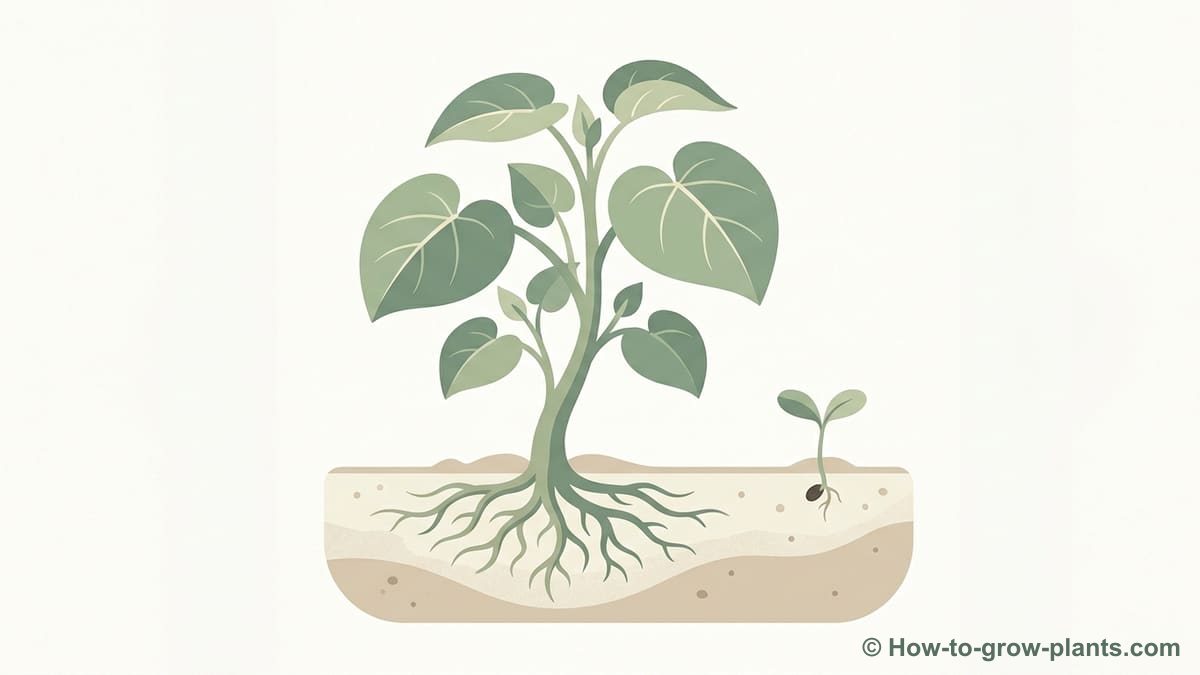
Cultivating Paulownia tomentosa from root cuttings is the fastest and simplest method for its propagation. Unlike seeds, which can be random and take longer, or stem cuttings, which require very specific conditions, root cuttings use the plant's existing root system to quickly establish new shoots.
The robust nature of Paulownia roots allows them to easily produce new shoots and develop into mature trees more quickly. This method ensures a high success rate and faster establishment of new plants, which is ideal for amateur gardeners and those wishing to propagate multiple trees efficiently. The parent plant, however, does not necessarily show new growth at the cut site, as observed in the video.
Step 1Tools and materials needed for successful root cuttings
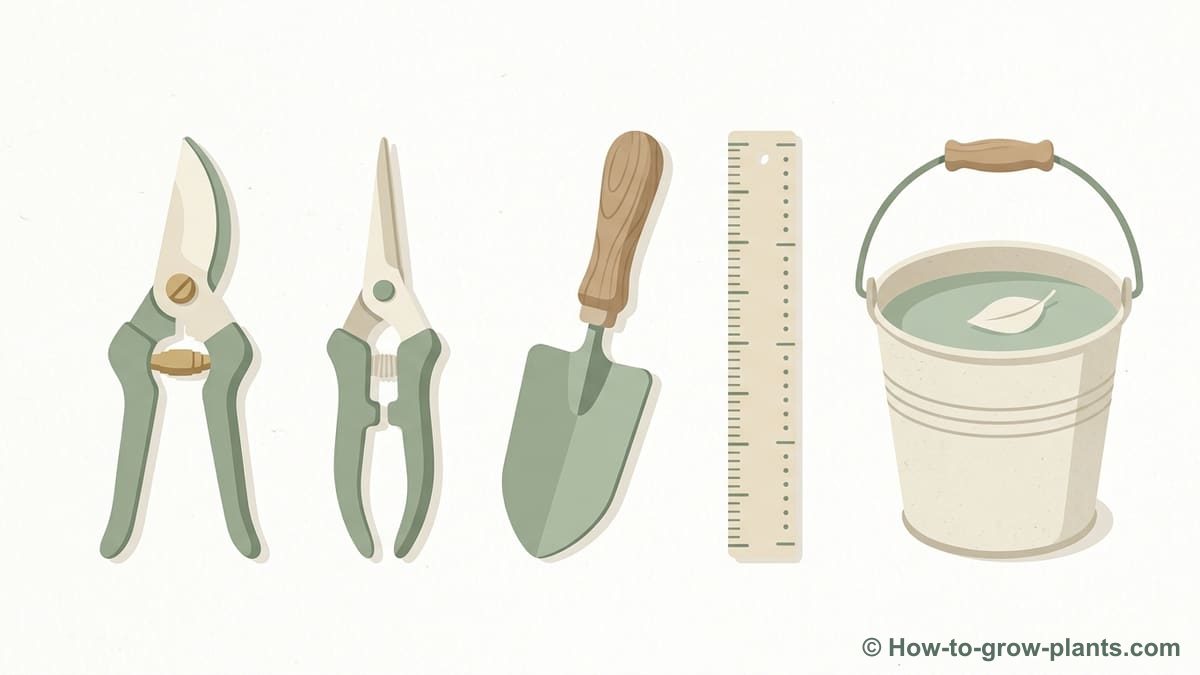
Before you begin, gather the following essential tools and materials to ensure a smooth and successful propagation process:
Sharp pruners or knife
Use clean, sharp tools to make precise cuts, minimizing root damage and preventing diseases.
- Ensure blades are sterilized before use.
- Sharpness is key for a clean cut.
Potting mix
A rich, well-draining soil is crucial for root development and initial shoot growth.
- Opt for a good quality universal potting mix.
- Ensure good drainage to prevent waterlogging.
Pots or planting containers
Choose pots with drainage holes to accommodate root cuttings and support new growth.
- Any plastic pot with drainage is suitable.
- Ensure adequate depth (about 10 cm) for cuttings.
Water source
Maintain consistent moisture levels for optimal growth, especially during the early stages.
- Use a watering can or gentle hose.
- Avoid overwatering to prevent root rot.
Bamboo skewers (optional)
Use them to deter pests like squirrels from disturbing your freshly planted cuttings.
- Place them around the perimeter of the pot.
- Prevents digging without harming animals.
Step 2How to properly select and prepare Paulownia root cuttings
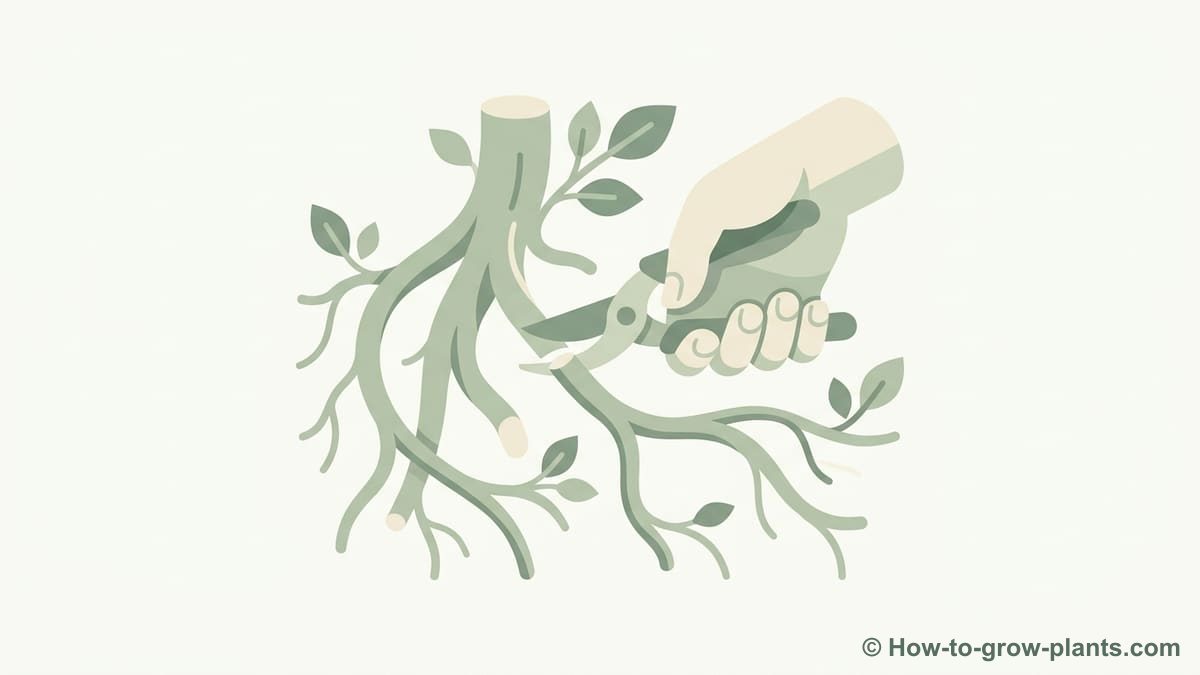
Careful selection and preparation of your root cuttings are vital for successful propagation. Follow these steps for the best results:
Expose the root system
Gently dig around the base of your mature Paulownia to locate suitable roots. Washing away soil helps identify healthy sections.
- Carefully dig around the base of the plant.
- Wash roots to reveal their structure.
Identify ideal root size
Look for roots approximately 1 cm thick. These roots typically contain enough stored energy to sprout new growth.
- Thicker roots offer better success rates.
- Avoid very thin or damaged roots.
Make precise cuts
Using your clean, sharp pruners, cut sections of the selected root approximately 10 cm long.
- Ensure a clean, straight cut.
- Avoid jagged edges that can lead to disease.
Handle cuttings delicately
Once cut, handle the root sections carefully to prevent further damage before planting.
- Minimize air exposure to prevent drying out.
- Plant as soon as possible after cutting.
Step 3Precise steps for planting root cuttings
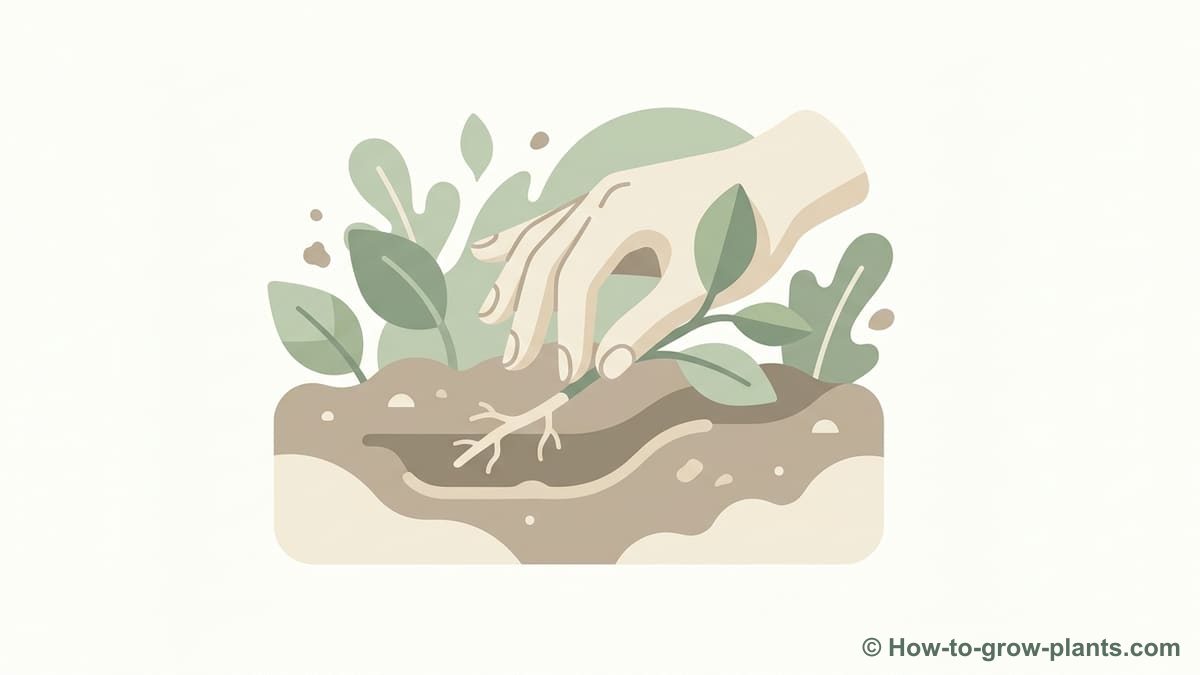
Once your root cuttings are prepared, follow these instructions to plant them effectively:
Prepare the planting medium
Fill the chosen pots with a rich, well-draining potting mix. Ensure the soil is moist but not waterlogged.
- Use a high-quality potting soil.
- Pre-moisten the soil slightly.
Plant the root cuttings
Bury the 10 cm root cuttings approximately 2-3 cm deep in the soil, ensuring they are placed horizontally or slightly inclined.
- Ensure good contact between the root and soil.
- Space multiple cuttings adequately if using a larger pot.
Water thoroughly
After planting, water the pots gently but thoroughly to settle the soil around the cuttings.
- Maintain consistent moisture without over-saturation.
- Avoid disturbing freshly planted roots.
Protect from pests
If squirrels are an issue in your area, strategically place bamboo skewers around the pot's edges to deter them from digging.
- Firmly push skewers into the soil.
- Acts as a physical barrier.
Step 4Ideal substrate and environmental conditions for root development
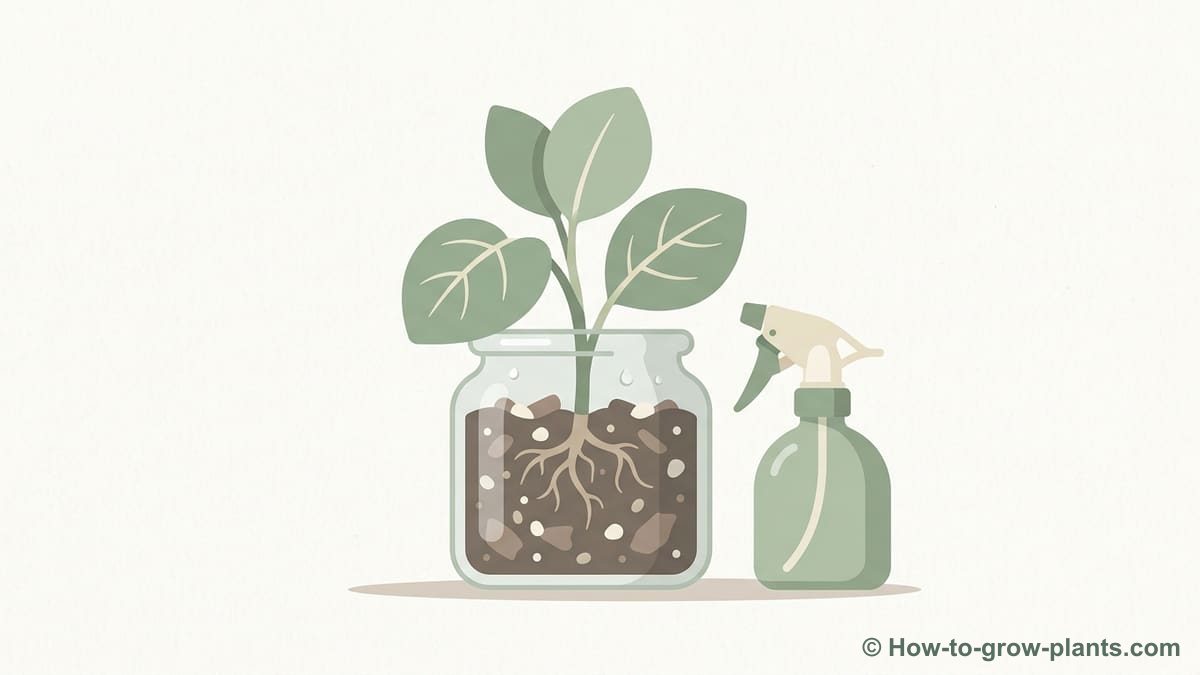
Creating the right environment is crucial for your Paulownia root cuttings to thrive. Pay attention to soil composition, temperature, and sunlight:
Substrate composition
The parent Paulownia in the video was grown in very rich soil. Replicate this with a high-quality organic potting mix.
- Good soil quality promotes strong root growth.
- Ensure soil is loose and aerated.
Drainage
While rich, the soil must also drain well to prevent root rot. The pot used in the video had slow drainage, but the rich soil still supported growth.
- Ensure pots have adequate drainage holes.
- Avoid standing water at all costs.
Sunlight
Place your potted cuttings in a location that receives afternoon sun, as shown with the thriving young plant.
- Paulownia thrives in full light.
- Avoid intense midday sun in very hot climates initially.
Temperature and humidity
Paulownia is known for its resilience. While specific temperatures aren't mentioned in the video, a warm and consistent environment, typical of the growing season, encourages growth.
- Maintain stable temperatures (e.g., above 15°C).
- Moderate humidity is generally suitable.
Step 5How to care for young Paulownia shoots after they appear

Once your root cuttings begin to sprout, consistent care will ensure they develop into strong, healthy Paulownia trees:
Monitor moisture levels
Continue to keep the soil consistently moist. Young shoots are particularly sensitive to drying out.
- Check soil daily for dryness.
- Water when the top inch of soil is dry.
Weed control
Rich soil can attract weeds, as mentioned in the video. Regularly remove any competing plants to ensure your Paulownia receives all nutrients.
- Carefully hand-pull weeds.
- Avoid disturbing young Paulownia roots.
Pest protection
Maintain your squirrel deterrents if necessary, as pests can damage young shoots and tender roots.
- Ensure skewers remain in place.
- Consider netting for more persistent pests.
Transplanting
Once the shoots are established and growing well (about 6 weeks, as seen in the video), they can be transplanted into a larger pot or directly into the ground.
- Choose a permanent location with ample space.
- Ensure good soil preparation for the new site.
What to expect: Paulownia growth results and timeline
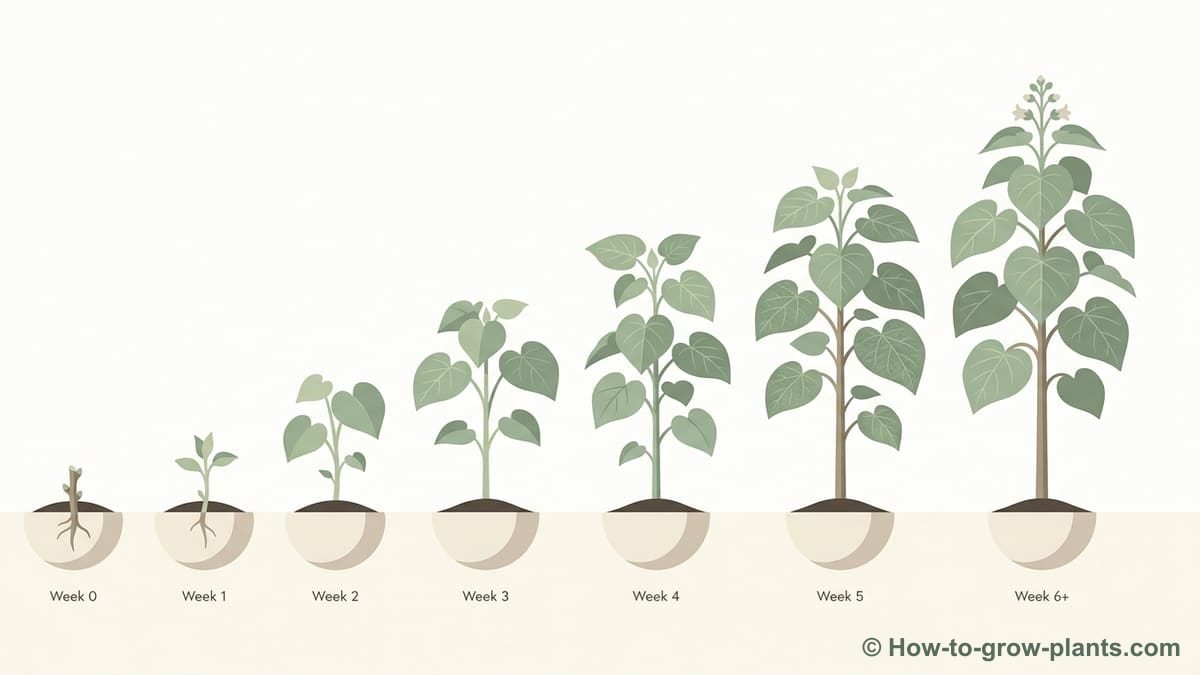
Growing Paulownia from root cuttings offers a relatively fast growth rate. Here’s what you can expect, based on the video’s experience:
First shoots (approximately 1 month)
Expect to see the first small shoots emerge from the root cuttings in about one month after planting.
- Initial growth may seem slow.
- Ensure consistent care during this period.
Significant growth (approximately 6 weeks)
In approximately 6 weeks (1 month and 17 days), the young Paulownia plants will have developed several visible leaves, indicating healthy growth.
- Leaves will be vibrant green and textured.
- The plant will be robust enough for handling.
Parent plant regrowth
New growth should also sprout where you cut the root from the parent Paulownia tree. However, this is not always guaranteed, as the video shows (no new growth from the parent cut site was observed).
- Monitor the cut area on the parent plant.
- New growth typically indicates a healthy root system.
Considerations for Paulownia's invasive potential
⚠️ Important Warning: While Paulownia grows rapidly from root cuttings, its aggressive growth and invasive potential in some regions require careful attention. Always check local regulations before planting Paulownia species.
Paulownia tomentosa is known for its rapid growth and ability to spread easily. While these characteristics are advantageous for propagation, they can also pose problems in certain ecosystems. Before planting Paulownia in the ground, it is crucial to inquire about local and national regulations regarding this species.
In some regions, Paulownia is considered an invasive species due to its ability to outcompete native flora and disrupt natural habitats. It is recommended to consult local agricultural services or university forestry departments for up-to-date information on responsible planting and any restrictions in your geographical area.
The unique advantages of root cutting propagation for Paulownia
While other methods exist for propagating Paulownia, root cuttings stand out with several key advantages:
High success rate
Paulownia roots are highly regenerative, leading to a much higher success rate for establishing new plants compared to seeds or stem cuttings.
- Reduces the need for multiple attempts.
- Reliable method for propagation.
Faster growth
New trees from root cuttings grow significantly faster, reaching substantial size in a few weeks, as demonstrated in the video.
- Rapid establishment of young plants.
- Quick development of leaves and stem.
Genetic purity
Root cuttings produce clones of the parent plant, ensuring new trees possess the same desirable characteristics as the original, unlike seeds which can vary.
- Maintains desired traits (e.g., habit, disease resistance).
- Ensures consistency in new trees.
Resource efficiency
You can generate multiple new plants from a single parent tree with minimal effort and resources.
- Requires only a small section of root.
- Economical propagation.
For those interested in other plant propagation techniques, consider exploring methods for growing plantains from seed or understanding how to germinate Washingtonia Robusta palm seeds, which offer different challenges and rewards.
By following these steps, you can confidently propagate Paulownia tomentosa from root cuttings, enjoying the fast growth and rewarding results this method provides.
🏆 Expert Verdict: Ensuring Your Paulownia's Success
Frequently asked questions
Can Paulownia be grown from cuttings?
Yes, Paulownia can be very successfully grown from root cuttings. This method is considered one of the fastest and easiest ways to propagate new Paulownia trees, as they readily produce new shoots from root sections.
Can cuttings go directly into the ground?
Paulownia root cuttings can be planted directly into a rich, well-draining potting mix. The video demonstrates this by planting 10 cm root sections directly into a pot, with successful germination observed in about a month.
Do Paulownia trees have deep roots?
Paulownia trees are known for their vigorous and extensive root systems. The parent tree in the video shows a highly developed root system, indicating that these trees generally establish strong, deep roots.
What are the advantages of this method over other propagation techniques?
Root cutting propagation offers several distinct advantages over other methods like seeds or stem cuttings: a high success rate, significantly faster growth, guaranteed genetic purity (new trees are clones of the parent), and high resource efficiency, allowing multiple plants to be produced from a single mother root.
What kind of substrate and environmental conditions are ideal for Paulownia root development?
For Paulownia, an ideal substrate is a rich, well-draining potting mix, like the one where the parent plant thrived in the video. Preferred environmental conditions include afternoon sun exposure and a warm, consistent environment, typical of the growing season, to encourage optimal root development.